

Fiche technique
En savoir plus sur l'origine du dessin
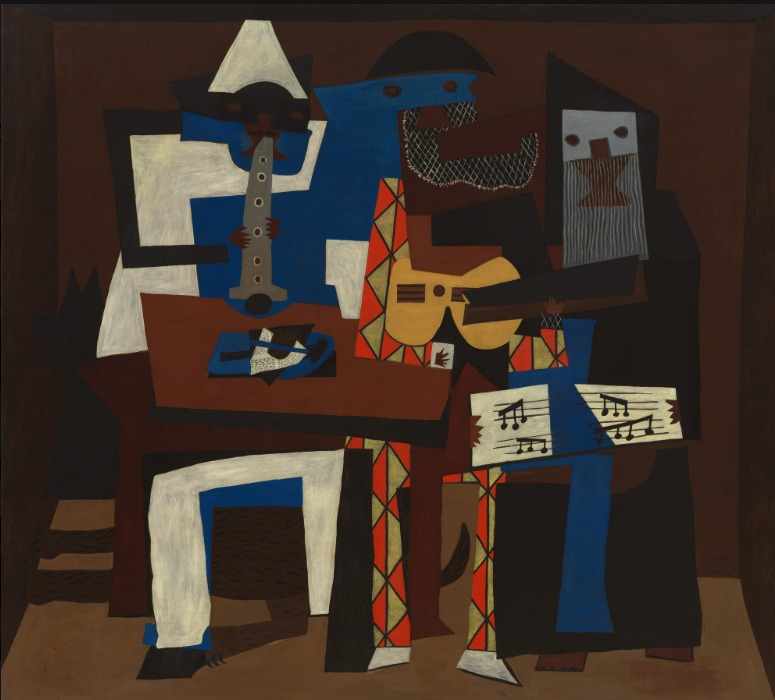
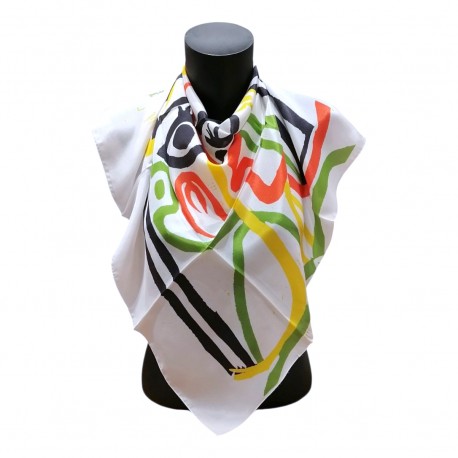
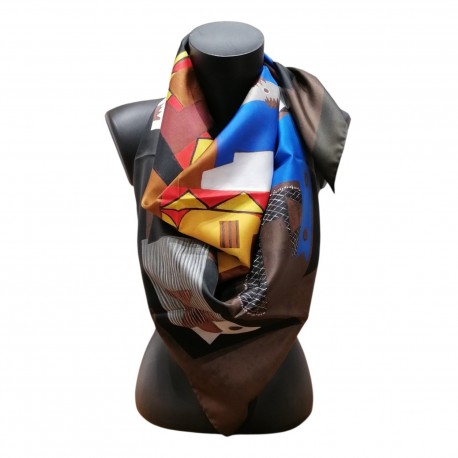
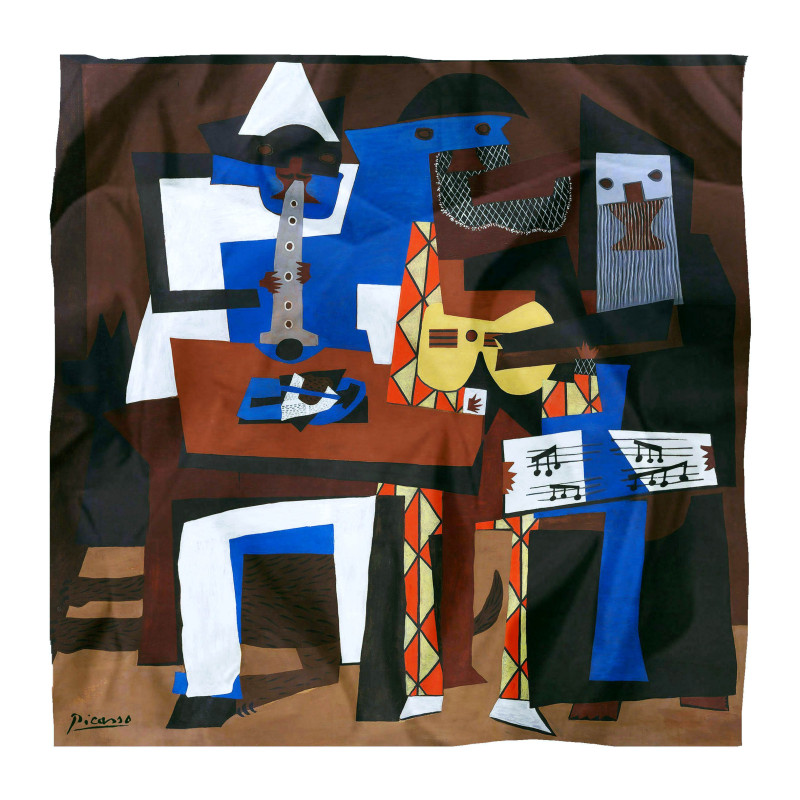
"Three Musicians" refers to two monumental canvases painted by Picasso in Fontainebleau during the summer of 1921. Although they appear to be collages made of cut paper, they are, in fact, executed entirely in oil paint. The version featured on this square is the one held by the MoMA in New York. The figures are drawn from the Italian theatrical tradition—a theme that fascinated Picasso. They include Harlequin, in his colorful diamond-patterned costume; Pierrot, dressed entirely in white; and a Franciscan monk in a dark habit. Beneath the festive appearance of these musicians lies a more personal and melancholic subtext: the trio is thought to represent Picasso and his two closest poet friends, separated by life and death. Harlequin is Picasso himself—a character he often used to depict himself, casting himself as this mischievous, central figure. Pierrot represents Guillaume Apollinaire, a dear poet friend who died of the Spanish flu in 1918. The monk represents Max Jacob, another very close poet friend who, in 1921, had just withdrawn from the world to enter a monastery.